Scan the WeChat code to contact us
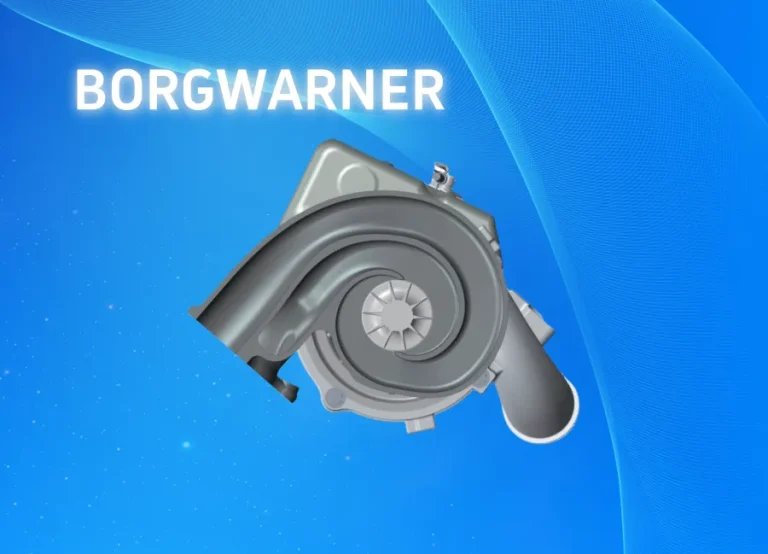
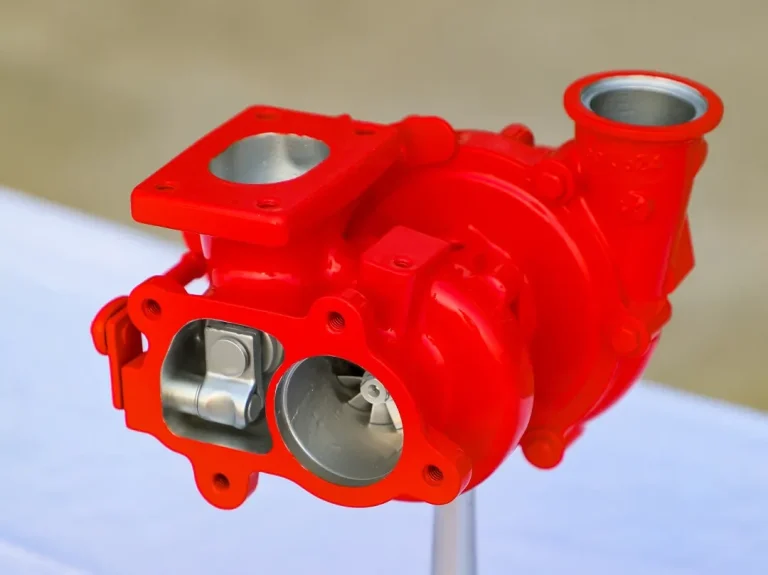
Mainly engaged in various brands of turbochargers.

BorgWarner’s latest sustainability report makes one thing clear: green is no longer a cost center. It’s a growth engine.
Of the company’s $14.3 billion revenue last year, 86% came from emissions-reducing products. Battery, e-drive and thermal management are now core business, not side projects. eProducts alone reached 18% of sales, up from 14% in 2023.
The factory numbers tell a similar story. BorgWarner cut its own carbon emissions by 41%, gets more than 30% of its electricity from renewables, and says nearly 98% of its supply chain passed sustainability screening. Executive pay is tied directly to these targets — still rare among Tier 1 suppliers.
For those of us selling turbos, the real signal isn’t the data. It’s the language. BorgWarner is now talking about sustainability like a P&L item, which means electrification has moved past “should we?” into “how do we profit from it?”
That’s why the company is keeping one foot in combustion optimization and one in electrification. It sounds cautious, but in a mature market, it may be the most realistic path. Turbos aren’t going away. How they’re built, sourced and sold is changing.
REMAN is a good example. About 40% of BorgWarner’s product inputs came from recycled or remanufactured materials last year. The reman turbo program has reused over 5 million housings, cutting demand for cast iron and aluminium. For distributors, that’s not just a green story — it’s margin protection and a selling point with fleet customers facing their own ESG pressure.
The takeaway for our side of the business: carbon disclosure is becoming part of the supplier scorecard. Treat sustainability as an operations issue, not a marketing one. The distributors who do will keep their place in the line. The ones who don’t may soon be explaining why.